...

🎄Holiday Notice: Shipping for temperature-sensitive medications (Ozempic, Mounjaro, etc.) is paused. Service resumes Monday, Dec 29.

Generic Semaglutide Now Available!

Us Flag

We Ship To The U.S. Only

Vaginal Infections


Submit Your Prescription Here!

Don’t see your medication? Talk to us!

What are the Types of Vaginal Infections?

Vaginal infections can be classified into several types based on their causative agents:
  • Bacterial Vaginosis (BV): This is the most common vaginal infection caused by an imbalance of naturally occurring bacterial flora in the vagina. Symptoms may include a thin, grayish-white discharge with a fishy odor.
  • Yeast Infection (Candidiasis): Caused by an overgrowth of the Candida fungus, yeast infections lead to thick, white, odorless discharge and intense itching and irritation of the vaginal and vulvar tissues.
  • Trichomoniasis: This sexually transmitted infection is caused by the parasite Trichomonas vaginalis. Symptoms may include frothy, greenish-yellow discharge with a strong odor, itching, and discomfort during urination and intercourse.
  • Viral Infections: These include infections caused by herpes simplex virus (HSV) and human papillomavirus (HPV), which can lead to genital sores and warts, respectively.
  • Non-Infectious Vaginitis: This can result from allergic reactions or irritation caused by chemicals found in vaginal sprays, douches, or spermicides. Hormonal changes, such as those during menopause, can also cause non-infectious vaginitis.

How are Vaginal Infections Treated with Medications?

Treatment of vaginal infections depends on the type and severity of the infection:
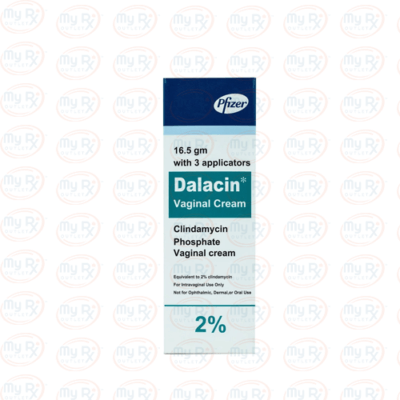
  • Bacterial Vaginosis: BV is typically treated with antibiotics such as metronidazole (Flagyl) or clindamycin (Cleocin), which can be administered orally or intravaginally.
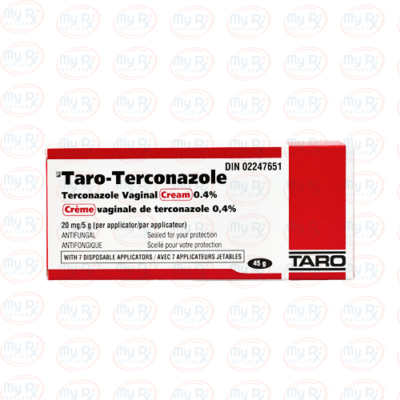
  • Yeast Infection: Antifungal medications like fluconazole (Diflucan) or topical treatments such as clotrimazole (Lotrimin), miconazole (Monistat), and terconazole (Terazol) are commonly used to treat yeast infections.
  • Trichomoniasis: The standard treatment for trichomoniasis is a single dose of metronidazole (Flagyl) or tinidazole (Tindamax), taken orally.
  • Viral Infections: Antiviral medications like acyclovir (Zovirax), valacyclovir (Valtrex), or famciclovir (Famvir) are used to manage symptoms of herpes. There is no cure for HPV, but treatments can help manage symptoms and remove warts.
  • Non-Infectious Vaginitis: Treatment involves avoiding the irritants and may include the use of topical steroids or estrogen creams to alleviate symptoms.

Why are Vaginal Infection Medications Expensive in the USA?

The high cost of medications for vaginal infections in the USA can be attributed to several factors:
  • Pharmaceutical Pricing: The pricing strategies of pharmaceutical companies often include high initial prices to cover research, development, and marketing costs.
  • Insurance and Healthcare System: The complex insurance system can lead to variations in drug prices. Those without insurance may face significantly higher costs.
  • Regulatory and Patent Issues: Extended patents on brand-name drugs prevent the availability of cheaper generic alternatives, maintaining high prices for longer periods.
  • Market Dynamics: Limited competition among drug manufacturers and distributors can also contribute to higher medication costs.

What are the Types of Vaginal Infections?

Vaginal infections can be classified into several types based on their causative agents:

  • Bacterial Vaginosis (BV): This is the most common vaginal infection caused by an imbalance of naturally occurring bacterial flora in the vagina. Symptoms may include a thin, grayish-white discharge with a fishy odor.
  • Yeast Infection (Candidiasis): Caused by an overgrowth of the Candida fungus, yeast infections lead to thick, white, odorless discharge and intense itching and irritation of the vaginal and vulvar tissues.
  • Trichomoniasis: This sexually transmitted infection is caused by the parasite Trichomonas vaginalis. Symptoms may include frothy, greenish-yellow discharge with a strong odor, itching, and discomfort during urination and intercourse.
  • Viral Infections: These include infections caused by herpes simplex virus (HSV) and human papillomavirus (HPV), which can lead to genital sores and warts, respectively.
  • Non-Infectious Vaginitis: This can result from allergic reactions or irritation caused by chemicals found in vaginal sprays, douches, or spermicides. Hormonal changes, such as those during menopause, can also cause non-infectious vaginitis.

How are Vaginal Infections Treated with Medications?

Treatment of vaginal infections depends on the type and severity of the infection:

  • Bacterial Vaginosis: BV is typically treated with antibiotics such as metronidazole (Flagyl) or clindamycin (Cleocin), which can be administered orally or intravaginally.
  • Yeast Infection: Antifungal medications like fluconazole (Diflucan) or topical treatments such as clotrimazole (Lotrimin), miconazole (Monistat), and terconazole (Terazol) are commonly used to treat yeast infections.
  • Trichomoniasis: The standard treatment for trichomoniasis is a single dose of metronidazole (Flagyl) or tinidazole (Tindamax), taken orally.
  • Viral Infections: Antiviral medications like acyclovir (Zovirax), valacyclovir (Valtrex), or famciclovir (Famvir) are used to manage symptoms of herpes. There is no cure for HPV, but treatments can help manage symptoms and remove warts.
  • Non-Infectious Vaginitis: Treatment involves avoiding the irritants and may include the use of topical steroids or estrogen creams to alleviate symptoms.

Why are Vaginal Infection Medications Expensive in the USA?

The high cost of medications for vaginal infections in the USA can be attributed to several factors:

  • Pharmaceutical Pricing: The pricing strategies of pharmaceutical companies often include high initial prices to cover research, development, and marketing costs.
  • Insurance and Healthcare System: The complex insurance system can lead to variations in drug prices. Those without insurance may face significantly higher costs.
  • Regulatory and Patent Issues: Extended patents on brand-name drugs prevent the availability of cheaper generic alternatives, maintaining high prices for longer periods.
  • Market Dynamics: Limited competition among drug manufacturers and distributors can also contribute to higher medication costs.

FAQs About Vaginal Infections

How do I order vaginal infection medications online?

It’s easier to order your vaginal infection medication online compared to your local pharmacy, because you don’t have to go anywhere! Place your medication in your cart and proceed to checkout. After that, you will be asked to upload your prescription. Once our pharmacy team has reviewed your prescription and medication, we will prepare it for packaging and ship it directly to your front door!

Yes, we do not accept any orders without a valid prescription. If you cannot provide a valid and matching prescription with your order, your order will be cancelled.

Of course! One your order is on its way, we will send you an email with the tracking number included.

It depends on where you decide to buy your medication. If you choose to buy it from Canada, it will take approximately 4-7 business days. All other countries would take 10-20 business days. For more information about shipping, click here.

If you are a current customer, we provide free pharmacy consultations! If you ever need to speak to a licensed pharmacist, contact us and we will set you up a consultation.

Yes, we can! At checkout, please provide the contact information of our prescriber and our team will reach out to see if we can obtain the prescription for you.

Common symptoms include itching, burning, abnormal discharge, and discomfort during urination or intercourse.

Practicing good hygiene, wearing breathable cotton underwear, avoiding douching, and using condoms can help prevent vaginal infections.

Over-the-counter treatments can be effective for yeast infections, but other types of vaginitis may require prescription medications.

Yes, certain vaginal infections like bacterial vaginosis and trichomoniasis can increase the risk of preterm labor and low birth weight.

Symptoms usually improve within a few days of starting treatment, but it’s important to complete the full course of medication.

Common side effects include nausea, headache, and abdominal pain.

Yes, some women experience recurrent infections, particularly yeast infections. Factors such as hormonal changes, antibiotic use, and uncontrolled diabetes can all contribute to recurrence.

You should see a doctor if you experience severe symptoms, symptoms persist despite treatment, or if you have recurrent infections.

The MyRX Outlet Safety Assurance Standard

Professional Clinical Validation

Our clinical team meticulously reviews every order. This ensures that the dosage, frequency, and medication strength align perfectly with the original intent of your healthcare provider.

Certified Prescriber Authentication

We maintain a zero-tolerance policy for fraudulent documentation. MyRX Outlet exclusively accepts prescriptions from verified, licensed medical practitioners and utilizes multi-point security checks to confirm document authenticity.

Precision-Monitored Distribution

Sensitive medications are handled via a strict “cold-chain” shipping process. We use climate-monitored environments and specialized, temperature-controlled packaging to protect your treatment during every stage of fulfillment.