🎄Holiday Notice: Shipping for temperature-sensitive medications (Ozempic, Mounjaro, etc.) is paused. Service resumes Monday, Dec 29.

Generic Semaglutide Now Available!

Us Flag

We Ship To The U.S. Only

Respiratory Tract Infections

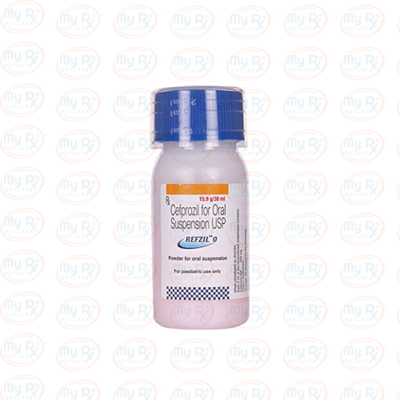
cefprozil-canada
Generic Available
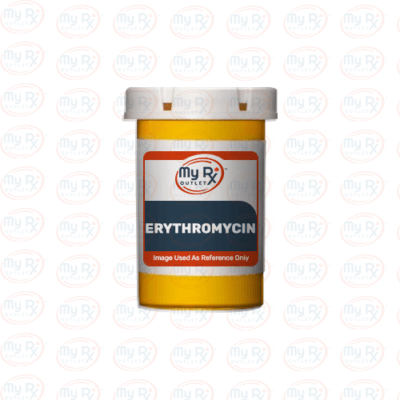
erythromycin-tablets-canada
Generic
sparfloxacin-canada-generic
Generic
amoxil-canada
Generic
biaxin-canada
Generic Available
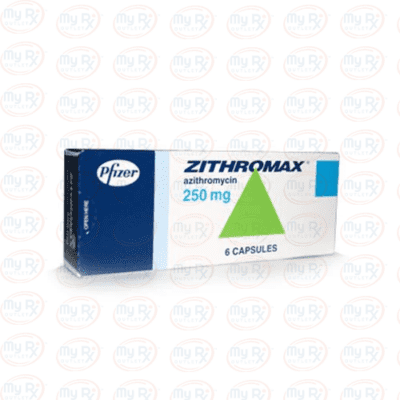
zithromax-tablets
Generic Available

Submit Your Prescription Here!

Don’t see your medication? Talk to us!

What Are Respiratory Tract Infections?

A respiratory tract infection is an infectious disease that affects either the lower or upper respiratory tract. These infections involve body parts that are used when breathing. These include the throat, airways, lungs, and sinuses. Respiratory tract infections can be caused by bacteria, viruses, fungi, or mycoplasma. When a patient has an upper respiratory tract infection, they may have laryngitis, acute otitis media, the common cold, tonsillitis, acute rhinosinusitis, or acute rhinitis. If a patient has a lower respiratory tract infection, they may have tracheitis, acute bronchitis, pneumonia, tuberculosis, or bronchiolitis. These types of infections can make breathing harder, so it’s important to get treatment for them. Some of the symptoms of RTIs can include fever, coughing, sneezing, congestion, wheezing, runny nose, headache, and shortness of breath.

How Are Respiratory Tract Infections Treated With Medications?

Whether it’s an upper or lower respiratory infection, it’s common to have antibiotics prescribed to kill the infection. However, this generally only works when the infection is caused by bacteria. There are also anti-viral and anti-fungal medications that may be needed for a serious infection. However, most viral infections are left to heal on their own. While a patient has a respiratory tract infection, they can use any of the many medications that are available over the counter to help with the symptoms. These include ibuprofen or acetaminophen to treat any body aches or fever, dextromethorphan for chest congestion and cough, antihistamines for sinus and nasal congestion, guaifenesin for congestion in the chest, and pseudoephedrine for congestion in the nose.

Why Are Respiratory Tract Infection Medications Expensive in the USA?

There are a lot of prescription medications that are used to treat these infections, and many of them are expensive. One reason for this is that in general, pharmaceutical companies charge American pharmacies much more for their medications than pharmacies in other countries. They count on Americans paying more for their medications in order to pay for the many expenses involved in getting a drug to market. It’s expensive to be FDA approved for a medication, and high prices are needed to make that money back and then to make a profit. These medications are also highly sought after, and this often raises their prices. The same drug that costs so much in the U.S. can cost substantially less in virtually any other country in the world.

How Much Are Respiratory Infection Medications Without Insurance?

There are many different medications that can be used for these infections, and each has its own range of prices. What you pay depends a lot on the pharmacy that you use. For typical antibiotics like penicillin drugs, including amoxicillin, the costs can be as much as $180 for the course of medication. There are other drugs that can cost a lot more. Cefapirin is one medication that can cost more, averaging around $150. Corticosteroids can also be used, and they can be priced at about $50 to $150 for a single injection. The oral forms can be anywhere from about $50 to $200. The cost of cephalexin is about $50 for a course. The price you pay depends on the pharmacy as well as the strength of the medication and how much of it you need.

What Are Respiratory Tract Infections?

A respiratory tract infection is an infectious disease that affects either the lower or upper respiratory tract. These infections involve body parts that are used when breathing. These include the throat, airways, lungs, and sinuses. Respiratory tract infections can be caused by bacteria, viruses, fungi, or mycoplasma. When a patient has an upper respiratory tract infection, they may have laryngitis, acute otitis media, the common cold, tonsillitis, acute rhinosinusitis, or acute rhinitis. If a patient has a lower respiratory tract infection, they may have tracheitis, acute bronchitis, pneumonia, tuberculosis, or bronchiolitis. These types of infections can make breathing harder, so it’s important to get treatment for them. Some of the symptoms of RTIs can include fever, coughing, sneezing, congestion, wheezing, runny nose, headache, and shortness of breath.

How Are Respiratory Tract Infections Treated With Medications?

Whether it’s an upper or lower respiratory infection, it’s common to have antibiotics prescribed to kill the infection. However, this generally only works when the infection is caused by bacteria. There are also anti-viral and anti-fungal medications that may be needed for a serious infection. However, most viral infections are left to heal on their own. While a patient has a respiratory tract infection, they can use any of the many medications that are available over the counter to help with the symptoms. These include ibuprofen or acetaminophen to treat any body aches or fever, dextromethorphan for chest congestion and cough, antihistamines for sinus and nasal congestion, guaifenesin for congestion in the chest, and pseudoephedrine for congestion in the nose.

Why Are Respiratory Tract Infection Medications Expensive in the USA?

There are a lot of prescription medications that are used to treat these infections, and many of them are expensive. One reason for this is that in general, pharmaceutical companies charge American pharmacies much more for their medications than pharmacies in other countries. They count on Americans paying more for their medications in order to pay for the many expenses involved in getting a drug to market. It’s expensive to be FDA approved for a medication, and high prices are needed to make that money back and then to make a profit. These medications are also highly sought after, and this often raises their prices. The same drug that costs so much in the U.S. can cost substantially less in virtually any other country in the world.

How Much Are Respiratory Infection Medications Without Insurance?

There are many different medications that can be used for these infections, and each has its own range of prices. What you pay depends a lot on the pharmacy that you use. For typical antibiotics like penicillin drugs, including amoxicillin, the costs can be as much as $180 for the course of medication. There are other drugs that can cost a lot more. Cefapirin is one medication that can cost more, averaging around $150. Corticosteroids can also be used, and they can be priced at about $50 to $150 for a single injection. The oral forms can be anywhere from about $50 to $200. The cost of cephalexin is about $50 for a course. The price you pay depends on the pharmacy as well as the strength of the medication and how much of it you need.

FAQ About Treating Respiratory Tract Infections

How do I buy medications for respiratory tract infections online?

It’s easy! Place your prescribed medication to your cart and proceed to checkout. Be sure to select the exact dosage you have been prescribed. After you have completed checkout, please upload your prescription. From there, we take over! Our pharmacy team will review your order and prescription and once approved, we send it over to shipping, where it will be properly packaged and sent to your US residence!

The savings! You can save up to 80% on your prescription medications with our trusted and secure prescription fulfillment service.

Since our medication comes from a variety of counties, the packaging will be different from what you have seen at your local pharmacy. But not to worry! Our medications are approved and hold the same active ingredients your prescriber has prescribed you. We do not sell “knock offs” and our pharmacy partners ensure you are receiving the proper medication your prescriber has prescribed you.

We sure can! At checkout, when you are asked how you will provide your prescription, please select “contact my doctor”. Our team will reach out right away and do our best in obtaining the prescription for you!

We provide an estimate of 4-7 business days. For more information on shipping, click here.

Of course! Once your order is on its way, we will provide you with a tracking number.

Yes! We do not ship out any medication without a valid and binding prescription from a US prescriber.

No, they will only work on infections that are caused by bacteria. There are many different classes of antibiotics, and your doctor will choose the right medication from the right class to treat your specific infection.

Generally, they are allowed to heal on their own. Often, other medications are used to treat the symptoms. These may be medications for pain, cough medications, decongestants, etc. These aren’t a cure for the infection, but they can lessen the symptoms while the infection lasts.

A lower respiratory infection generally involves the lungs and the airways. These infections include bronchitis, pneumonia, bronchiolitis, and other infections that affect these areas. An upper respiratory tract infection can involve the throat, nose, and sinuses. Colds, sinus infections, and tonsillitis are all examples of these infections.

The common cold affects many people each year, as do epiglottitis, pharyngitis, and laryngotracheitis.

They generally last anywhere from 14 to 21 days. If antibiotics are used to treat a bacterial infection, it can last a much shorter time.

Many of these infections are highly contagious. That’s especially true when the infection is caused by a virus. While the symptoms can last as long as three weeks, the most contagious time is the first two to three days of the symptoms.

The MyRX Outlet Safety Assurance Standard

Professional Clinical Validation

Our clinical team meticulously reviews every order. This ensures that the dosage, frequency, and medication strength align perfectly with the original intent of your healthcare provider.

Certified Prescriber Authentication

We maintain a zero-tolerance policy for fraudulent documentation. MyRX Outlet exclusively accepts prescriptions from verified, licensed medical practitioners and utilizes multi-point security checks to confirm document authenticity.

Precision-Monitored Distribution

Sensitive medications are handled via a strict “cold-chain” shipping process. We use climate-monitored environments and specialized, temperature-controlled packaging to protect your treatment during every stage of fulfillment.