What are the types of eye and ear infections?
Eye and ear infections are common health issues affecting people of all ages. However, children are more likely to get infected with ear infections. These infections can vary depending on the affected part of the ear or eye. Common eye and ear infections include:
Types of eye infections
Below are some common types of eye infections:
Conjunctivitis
Commonly referred to as pink eye, conjunctivitis is by far the most common type of eye infection. It occurs when there’s an inflammation of the lining over your sclera and inner surfaces of the eyelid triggered by a viral or bacterial infection along with allergens or irritants.
This infection impacts the conjunctiva, which is the clear layer that covers part of the white of both your eye and inside of the eyelids, causing redness, itching, excessive tears, and discharge in the affected eye.
Keratitis
It occurs when bacteria, fungus, parasites or other microorganisms enter and inflame your cornea. Keratitis can be non-infectious, caused by injury, or infectious, which results from bacteria, parasites, etc. Symptoms of Keratitis include; eye pain, watery eyes, swelling, etc.
Uveitis
An inflammation of the uvea, which is the middle portion of the eye that consists of 3 parts; iris, ciliary body, and choroid. This infection can occur due to herpes zoster infection, acquired immunodeficiency syndrome, rheumatoid arthritis, inflammation of the joints, or ulcerative colitis.
Blepharitis
It affects the edges of your eyelids where lashes grow. The inflammation is usually due to bacterial infections or blockages in oil glands on eyelid skin, which causes dandruff around that area as well. Blepharitis is characterized by redness, swelling, sensitivity to light, dry eyes, lashes that grow in the wrong direction, and blurry vision.
Types of ear infections
You can get infected with the following types of ear infections:
Swimmer or Hot Tub Ear
A bacterial or fungal infection in the outer ear canal. Its symptoms include ear pain, itchiness, redness, swelling of the surrounding skin, and discharge.
Chronic Otitis Media
It’s a type of middle ear disease characterized by an ongoing or persistent infection that causes long-term discharge from the outer canal, and at times, hearing loss.
Otitis Interna
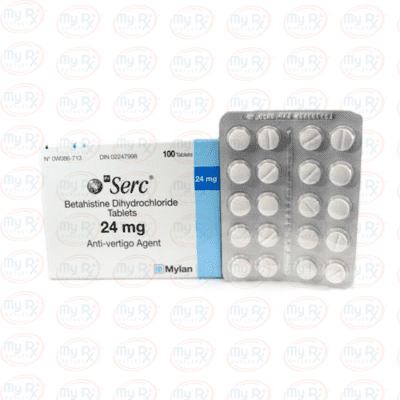
Also known as labyrinthitis, this is an overload of the internal ear appendages, generally resulting from viral illnesses. Symptoms of otitis interna are dizziness, vertigo (spinning sensation), hearing loss, and balance issues.
Mastoiditis
A complication of an untreated or severe otitis media, with the infection spreading to the mastoid bone. This can affect the ear causing pain, fever, swelling, and loss of hearing.
Cholesteatoma
Overgrowth of skin in the middle ear behind the eardrum forms a lump, leading to infection and breaking down structures within the ear. Usually, cholesteatoma occurs due to a ruptured or retracted eardrum, but it could also be congenital. The symptoms that accompany this condition are pus discharging from the ear, dizziness, pain, and even hearing loss.
How are eye and ear infections treated with medications?
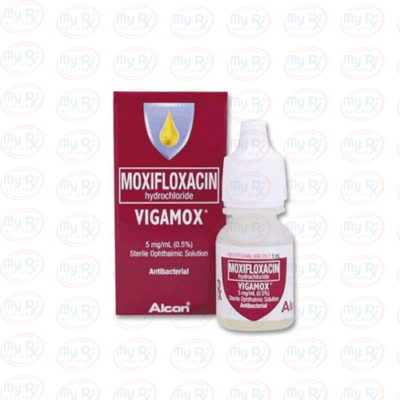
Treatment of eye infection will depend on the type and severity of the infection. The conventional treatment for bacterial eye infection is antibiotic eye drops or ointments to eliminate the cause of infection.
Viral eye infections, on the other hand, are usually managed symptomatically with frequent lubrication and topical antivirals. Lubrication alleviates dryness and discomfort while antiviral medications are necessary in severe cases.
Allergic eye infections need antihistamine eye drops (mast cell stabilizers) to help with itching and swelling. Antihistamines are a group of over-the-counter medications that work by preventing the action of histamines causing allergic response.
Other more severe conditions like Keratitis may require antibiotic, antifungal, or even antiviral eye drops to be administered based on the etiology of the infection. Sometimes follow-up treatment like corticosteroids or surgery may be necessary to treat the infection and prevent vision loss.
Typically, ear infections are treated with medication designed to ease pain, and clear up the infection. Antibiotics are given for bacterial ear infections to kill the bacteria that are causing the infection. Oral and ear drops, or a combination of the two, can be given depending on the type of infection. For instance, Acetaminophen may be prescribed for pain while Tylenol or ibuprofen can be administered to control fever.
Why are eye and ear Infections medications expensive in the USA?
Eye and ear infections are treatable but usually at a cost. The cost of medications prescribed to treat these infections can be surprisingly high, posing a burden on patients and healthcare systems. These medications are costly in the US because of:
- Lack of price regulation: Unlike many other countries, the USA does not regulate drug prices. Pharmaceuticals are free to set prices based on what the market can bear.
- Regulatory and approval processes: The FDA approval process for medications is rigorous and costly. The expenses associated with gaining approval for a new drug are often passed on to customers.
- Patents and market exclusivity: Pharmaceutical companies often hold patents on their medication, granting them exclusive rights to sell the drug for a certain period. The lack of competition allows them to set high prices. Additionally, regulatory exclusivity can extend the period during which no generic equivalents can enter the market.
How much are eye and ear infections without insurance?
The cost of treating eye and ear infections without insurance will depend on the type of infection, treatment modalities, and where you seek care. On average, you’ll pay $100 to $200 for a regular doctor visit, while seeing a specialist will set you back $150 to $300, excluding procedures and prescriptions.
The prescription medication for these infections will increase the total cost by about $10 to $200, depending on the type and brand. If other tests are needed, then the overall increase may be higher than $25 to $250. For emergency room visits for severe infections that require special procedures, the average price may be as high as $500 per visit.
With the prices of eye and ear treatments increasing in America, thousands of Americas are using services such as MyRx Outlet to fulfill their prescriptions.