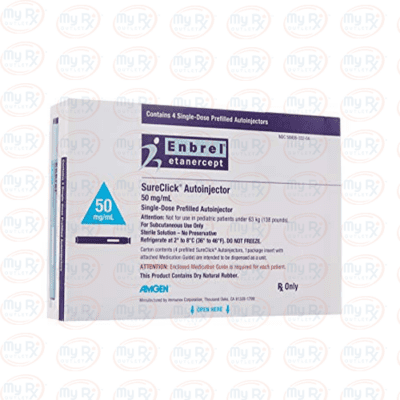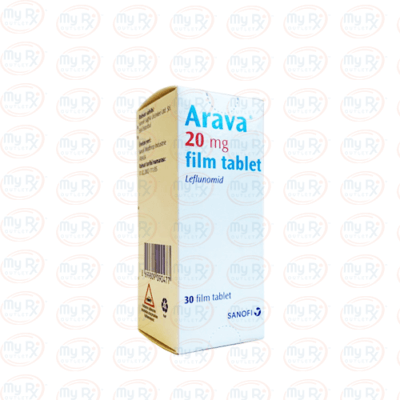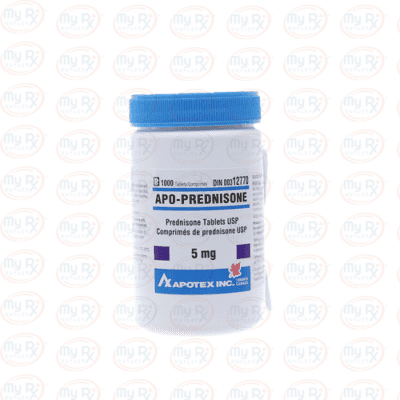





Notice: Images are for illustration purposes and may not exactly represent the product you receive. Brand-name medications may look different due to their country of origin—for example, Canadian products display "PR" on the packaging by law. For generic medications, we cannot guarantee a specific manufacturer, so appearances may vary. Rest assured, the medication, dosage, and active ingredients will be exactly as prescribed. Your trust is important to us, and we're committed to providing you with safe and effective medications.
Xeljanz (Tofacitinib)





How To Buy Xeljanz Online
Place Your Prescribed Xeljanz Dosage In Your Cart
Complete Checkout
Upload Your Xeljanz Prescription
MyRx Outlet does not ship any medication without a valid and matching prescription from a U.S. prescriber. We reserve the right to refuse service if there is reason to believe the prescription has been fabricated or altered.


Xeljanz is a brand name for “tofacitinib.” This is a drug in the antirheumatics drug class. Xeljanz is an oral Janus kinase (JAK) inhibitor. It can be used alone or with other medications to decrease inflammation.
The medication is commonly used for inflammatory and autoimmune conditions. Some of these include rheumatoid arthritis, psoriatic arthritis, and ulcerative colitis.
Xeljanz reduces immune system activity by blocking JAK enzymes (JAK1, JAK2, JAK3, TYK2) inside cells. These enzymes send inflammatory signals linked to cytokine release in the body. Blocking them with Xeljanz lowers the immune reaction responsible for the inflammation.
Xeljanz XR is the extended-release version of tofacitinib. Xeljanz is usually taken twice daily, while Xeljanz XR takes once daily. Both drugs are available in oral tablet form. Only Xeljanz is available in liquid doses.

Precautions and Warnings of Xeljanz
Before taking tofacitinib, please inform your doctor or pharmacist about any allergies. This product might contain inactive ingredients that could trigger allergic reactions or other issues.
Before you use Xeljanz, please let your doctor or pharmacist know your medical history. This includes conditions such as blood clots, blood/bone marrow disorders, cancer, heart problems, kidney or liver disease, lung disease, infections, smoking history, stomach/intestinal disorders, or stroke.
Tofacitinib may increase your risk of infections or worsen existing ones. Avoid contact with individuals with easily spread diseases like chickenpox, COVID-19, measles, or flu.
Liquid forms of this medication may contain sugar, aspartame, or alcohol. Exercise caution if you have diabetes, liver disease, phenylketonuria (PKU), or any other dietary restrictions.
Inform your doctor or dentist about all medications you use, including prescriptions, over-the-counter drugs, and herbal products, before undergoing surgery.
Elderly individuals may face a higher risk of infections while using this medication.
During pregnancy, use this medication only if needed after discussing the risks and benefits with your doctor. Inform your doctor if you plan to become pregnant or if you are pregnant.
It is uncertain if this medication passes into breast milk. Breastfeeding is not recommended while using this medication and for at least 18 hours after the last dose due to potential risks to the infant.

Xeljanz Side Effects
Common side effects of Xeljanz and Xeljanz XR may include diarrhea, headache, upper respiratory infections, rash, elevated cholesterol levels, and elevated blood pressure. Most of these side effects resolve within a few days or weeks. If they persist or worsen, consult your doctor or pharmacist.
Xeljanz may also increase the risk of certain serious infections. The medication may cause flare-ups of pre-existing infections, including tuberculosis, hepatitis B or C, or shingles. The most commonly associated infections in clinical studies are pneumonia, skin infections, and urinary tract infections. Some symptoms experienced include fever, fatigue, muscle aches, chills, rash, cough, or unexplained weight loss.
Xeljanz carries a risk of severe side effects, such as blood clots in the arms or legs. This can travel to the lungs, obstructing blood flow and impacting oxygen distribution. These clots may also be indicated by symptoms such as shortness of breath, chest pain, swelling, limb pain, or difficulty breathing.
The drug has also been known to heighten the risk of certain cancers. This includes lymphoma, skin cancer, lung cancer, breast cancer, prostate cancer, and pancreatic cancer. Symptoms that may indicate cancer development include changes in skin moles, persistent fatigue, unexplained weight loss, and increased infections.
Serious Side Effects
Serious side effects are less likely to occur while taking Xeljanz but may include:
- Tears in the digestive tract (known as “gastrointestinal perforations”) – This may be indicated by fever, pain in the belly or stomach, or bowel movement changes, such as diarrhea or constipation.
- Blood disorders (such as neutrophils and lymphocytes) – This may be indicated by low levels of red blood cells and white blood cells. Symptoms include frequent infections, fever, energy loss, weakness, or shortness of breath.
- Cardiovascular problems (such as heart attack or stroke) – This is more common in those with certain risk factors. Symptoms include chest pain, shortness of breath, lightheadedness, sudden weakness on one side of the body, and slurred speech.

Drug Interactions With Xeljanz
Do not use ketoconazole or fluconazole (found in Diflucan) while taking Xeljanz. These drugs may slow down the disappearance of Xeljanz and increase its levels in the body. Rifampin should also be avoided, as it accelerates Xeljanz metabolism and may reduce its efficacy.
Do not combine Xeljanz with azathioprine, cyclosporine (found in Restasis), tacrolimus, or oral steroids. These may further compromise the immune system.

Strengths and Dosages of Xeljanz
Typical Xeljanz doses include:
| Dose | Method |
| Xeljanz (5 mg) | Take twice per day with or without food |
| Xeljanz (10 mg) | Take twice per day with or without food |
| Xeljanz XR (11 mg) | Take once per day with or without food |
| Xeljanz XR (22 mg) | Take once per day with or without food |
For individuals with moderate to severe UC, the recommended initial dosage is 10 mg taken twice daily or 22 mg taken once daily for 8 weeks. Maintenance doses may vary based on the doctor’s evaluation, ranging from 5 mg to 10 mg taken twice daily, or 11 mg to 22 mg taken once daily for those using Xeljanz XR. The lowest effective dose should be used to sustain improvement. If adequate symptom relief is not attained, therapy should be discontinued after 16 weeks of taking 22 mg once daily or 10 mg twice daily.

Xeljanz Alternatives
Some alternatives that can be prescribed to treat certain inflammatory and autoimmune conditions besides Xeljanz are Entyvio and Rinvoq. Entyvio is an integrin receptor antagonist that is also used to decrease inflammation. It specifically targets the gut and is used to treat conditions such as ulcerative colitis and Crohn’s disease. Upadacitinib is used to treat Crohn’s disease, ankylosing spondylitis, atopic dermatitis, non-radiographic axial spondyloarthritis, psoriatic arthritis, rheumatoid arthritis, and ulcerative colitis.
Other alternatives may include Mesalamine, Lialda, Sulfasalazine, Remicade, Azathioprine, and Humira depending on the condition it is being used for.

Frequently Asked Questions of Xeljanz
What foods should you avoid while taking Xeljanz?
Patients should avoid grapefruit juice while taking any variation of tofacitinib, such as Xeljanz. The consumption of grapefruit and grapefruit juice has been associated with increased Tofacitinib levels. Since grapefruit juice is a strong CYP3A4 inhibitor, it may amplify the risk of side effects while taking the medication.
Can you drink alcohol while taking Xeljanz?
While Pfizer does not explicitly caution against an interaction between alcohol and Xeljanz, the use of alcohol is not recommended during Xeljanz treatment. Both Xeljanz and alcohol are metabolized by the liver and may contribute to liver damage.
What time of day is best to take Xeljanz?
The typical dosing regimen of Xeljanz involves taking the medication twice daily. While the specific time of day does not matter, it is better to adhere to a consistent schedule. Dosages should be taken approximately 12 hours apart at the same time each day for best results.
What is the new warning for Xeljanz?
Xeljanz includes a boxed warning highlighting the association between Xeljanz and risks such as blood clots, cancer, and severe infections. Boxed warnings are the highest safety-related warnings that the U.S. Food and Drug Administration assigns.
What are the long-term side effects?
Long-term side effects of Xeljanz may include herpes zoster, heart problems, gastrointestinal perforations, and certain cancers. Certain cancers linked to Xeljanz include lymphoma, skin cancer, lung cancer, breast cancer, prostate cancer, and pancreatic cancer.
Is Xeljanz safer than Humira?
Both Xeljanz and Humira medications carry an increased risk of infection. However, long-term safety investigations suggest that Xeljanz may elevate the risk of developing severe heart complications and cancer more than Humira. Both of these side effects rarely occur.
What is the cost of Xeljanz in America?
The cost of Xeljanz without insurance is around $6,000 for a 60-tablet supply or a 30-tablet supply of Xeljanz XR. Insurance and other coupons may be applicable to lower the price. It is considered a Tier 5 drug, making it one of the most expensive. After insurance deductibles, the drug may cost between $21-$5,982.

Our Guarantee For Buying Xeljanz From A Canadian Pharmacy Partner
At MyRx Outlet, we are committed to delivering safe, high-quality medications that you can trust. We adhere to strict regulations in every country we operate in, ensuring that your order is handled by a licensed Canadian pharmacy or a trusted partner overseas. Each medication has been legally approved by Health Canada or other respected authorities. To purchase Xeljanz at a discounted rate, call 1-888-551-2467.
IMPORTANT NOTE: The information provided here is for educational purposes only and is not intended to serve as medical advice, diagnosis, or treatment recommendations. It should not be taken as an endorsement of any specific medication or treatment. Individual health conditions and responses to treatment can vary greatly; therefore, this information should not be seen as a guarantee of safety, suitability, or effectiveness for any particular individual. Always consult with a healthcare professional for personalized medical advice and before making any decisions regarding your health or treatment plans.